
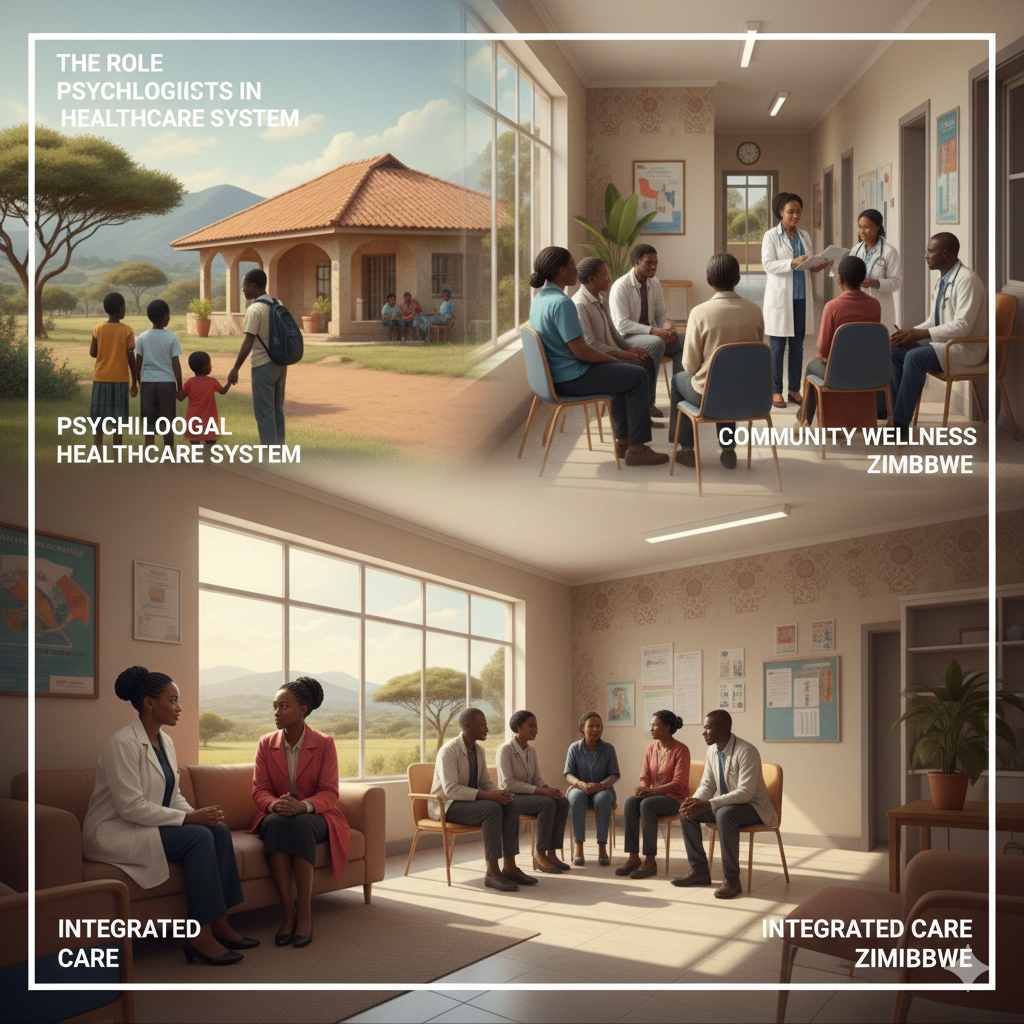
Introduction: A Crisis of Capacity and an Imperative for Change
In a country of approximately 15 million people, where an estimated 1.3 million Zimbabweans suffer from various mental health ailments, the mathematics of mental healthcare delivery present a sobering reality. Zimbabwe has only 14 psychiatrists, translating to a doctor-patient ratio of 0.08 per 100,000 people—one of the lowest ratios globally. More alarmingly, only 5 clinical psychologists and 15 occupational therapists are practicing mental health in the nation’s public sector, serving a population with a mental health burden that has intensified through decades of economic volatility, political upheaval, and most recently, the psychological aftermath of the COVID-19 pandemic.
These stark figures might suggest an insurmountable challenge. Yet within this crisis lies a story of remarkable innovation, professional resilience, and paradigm-shifting approaches to mental healthcare that have garnered international recognition. Zimbabwean psychologists, though few in number, have pioneered task-shifting interventions that are now being replicated across continents, developed culturally-grounded assessment tools that better capture African mental health experiences, and created collaborative care models that maximize limited resources while maintaining clinical effectiveness.
This article examines the multifaceted role of psychologists within Zimbabwe’s healthcare system—not merely as clinicians treating individual patients, but as researchers generating local evidence, trainers building workforce capacity, advocates shaping policy, and innovators reimagining mental healthcare delivery in resource-constrained contexts. Understanding this role requires acknowledging both the profound structural challenges facing Zimbabwe’s health system and the creative solutions that psychologists have developed in response.
The Context: Zimbabwe’s Mental Health Landscape
Historical Development and Current Infrastructure
Zimbabwe had centralized health services prior to 1980, and in 1984 a project was set up to decentralize health services by upgrading infrastructure, with each of the country’s nine provinces having a provincial hospital built or refurbished, and district hospitals also built or refurbished. This ambitious post-independence vision aimed to create a comprehensive healthcare network with mental health services integrated at every level. Each provincial hospital was supposed to have a psychiatric unit and district hospitals psychiatric beds.
However, economic pressures derailed this promising trajectory. There was pressure to reduce public spending and the projects had to be abandoned before completion. The result is a fragmented mental health infrastructure where specialized services remain concentrated in urban centers, leaving vast rural populations with minimal access to psychological care.
The staff of Zimbabwe’s mental health services comprise a deputy director, a mental health manager and nine provincial mental health coordinators, plus seven psychiatrists—one working for the government, two for the medical school and the others in private practice, all working in Harare. This geographic concentration reflects a broader pattern in Zimbabwe’s healthcare system: resources clustered in cities while rural areas—home to approximately 70% of the population—face severe shortages of mental health professionals.
The infrastructure deficit extends beyond human resources. The strain of a hyperinflationary economy has had negative consequences on health services in the form of decimation of infrastructure, supply chain challenges, worsening access to services, and the brain drain of health-care professionals seeking opportunities outside the country, in other fields, or in the private sector. Psychologists have not been immune to this exodus. Many trained clinical psychologists have migrated to South Africa, Botswana, the United Kingdom, or other countries offering better remuneration and working conditions, contributing to the critical shortage in the public sector.
The Treatment Gap and Burden of Disease
The scarcity of mental health professionals exists against a backdrop of substantial and growing need. In Zimbabwe, common mental disorders such as depression mixed with anxiety are found in over 25% of those attending primary health care services or maternal services, and in up to 30% of females in the community. A population-based study of young people aged 13-24 years in Harare and Mashonaland East found that 37.4% screened positive for probable common mental disorders, 9.8% reported perceptual symptoms, and 11.2% reported suicidal ideation.
These prevalence figures translate into an enormous treatment gap—the difference between the number of people needing mental health services and those receiving them. Globally, approximately three out of four persons with common mental disorders in low- and middle-income countries are estimated to be untreated. In Zimbabwe, this gap may be even wider given the severe shortage of mental health professionals.
The economic impact is substantial. As discussed in our previous article on workplace mental health, mental health conditions cost Zimbabwe’s economy hundreds of millions of dollars annually through lost productivity, absenteeism, and premature mortality. Beyond economics, the human cost—measured in suffering, family disruption, suicide, and diminished life potential—demands urgent attention.
Cultural Context and Help-Seeking Patterns
Zimbabwe’s mental health landscape is profoundly shaped by cultural beliefs about the origins and treatment of psychological distress. In the Zimbabwean Shona language, thinking too much (kufungisisa), along with deep sadness (kusuwisisa), and painful heart (moyo unorwadza) are terms in common use for emotional distress being close to European and American categories of common forms of depression. These indigenous conceptualizations reflect how Zimbabweans experience and communicate psychological suffering.
In Sub-Saharan Africa, depression is perceived to be rooted in social adversity, and self-help and community resources are considered first line treatments for common mental disorders, with spiritual rather than biomedical explanatory models tending to be more widely adopted among those with no engagement in formal health systems. Many Zimbabweans attribute mental distress to witchcraft, ancestral displeasure, or spiritual causes, often seeking help first from traditional healers (n’angas) or faith healers rather than biomedical professionals.
Stigma surrounds mental illness in Zimbabwe, creating additional barriers to help-seeking. Individuals experiencing psychological distress may fear discrimination, judgment, or social exclusion if they disclose their struggles or seek formal mental health services. This stigma operates at multiple levels—internalized by individuals experiencing mental health challenges, perpetuated within families and communities, and sometimes reinforced by healthcare workers who lack mental health training.
For psychologists working in this context, effective practice requires not just clinical competence but cultural humility—the ability to work respectfully within clients’ belief systems, collaborate with traditional and faith healers when appropriate, and develop interventions that resonate with Zimbabwean worldviews rather than simply transplanting Western therapeutic models.
Core Roles of Psychologists in the Healthcare System
Clinical Service Provision
The most visible role of psychologists in Zimbabwe’s healthcare system is direct clinical service—assessment, diagnosis, and treatment of individuals experiencing mental health challenges. However, the severe shortage of psychologists means that clinical practice in Zimbabwe differs substantially from resource-rich contexts.
Stepped Care and Triage: Given the overwhelming need and limited professional capacity, psychologists must function as specialists managing the most complex cases while developing systems to address less severe conditions through other means. This involves careful triage—identifying which clients require specialized psychological intervention versus those who might benefit from lower-intensity support delivered by other healthcare workers or trained lay counselors.
Psychologists in Zimbabwe’s public sector often work in specialist facilities like psychiatric hospitals (Ingutsheni Central Hospital in Bulawayo and Parirenyatwa Hospital in Harare) or in mental health units at major general hospitals. In these settings, they conduct comprehensive psychological assessments, including cognitive testing, personality assessment, and diagnostic evaluations for clients with severe mental illness, treatment-resistant conditions, or complex comorbidities.
Therapeutic Interventions: Zimbabwean clinical psychologists employ various evidence-based therapeutic modalities, including cognitive-behavioral therapy (CBT), trauma-focused therapy, family therapy, and psychodynamic approaches. However, effective practice requires cultural adaptation of these interventions. A psychologist implementing CBT, for instance, must navigate how to discuss cognitive distortions with a client who attributes their depression to ancestral displeasure, or how to incorporate problem-solving therapy within a collectivist framework where major decisions involve extended family consultation.
The most successful clinical psychologists in Zimbabwe are those who blend evidence-based techniques with cultural responsiveness, perhaps integrating Ubuntu principles of communal support, acknowledging spiritual dimensions of distress where relevant, and working collaboratively with traditional healers when clients desire this integrated approach.
Specialized Populations: Psychologists play critical roles in serving specific populations with complex needs. This includes providing trauma therapy for survivors of political violence, sexual assault, or domestic abuse; working with children experiencing developmental, behavioral, or emotional difficulties; supporting people living with HIV/AIDS who face psychological challenges related to their diagnosis; conducting forensic psychological evaluations for the criminal justice system; and providing rehabilitation services for individuals with chronic mental illness.
Training and Supervision: Multiplying Impact Through Capacity Building
Perhaps the most strategic role of psychologists in Zimbabwe’s resource-constrained system is training and supervising others to deliver mental health services. This “multiplier effect” addresses the treatment gap more effectively than direct clinical service alone.
Training Lay Health Workers: The landmark innovation in Zimbabwean mental healthcare has been the systematic training of lay health workers to deliver evidence-based psychological interventions. Lay workers can be trained for 8 days in screening and monitoring common mental disorders and in delivering problem-solving therapy interventions, with ongoing supervision from psychologists.
This task-shifting approach, pioneered by Dr. Dixon Chibanda and colleagues through the Friendship Bench programme, has demonstrated that lay primary health care workers can deliver locally adapted problem-solving therapy and this can be associated with a meaningful reduction in symptoms of depression and common mental disorders. Psychologists serve as master trainers, developing training curricula, conducting initial training sessions, providing ongoing clinical supervision, and monitoring intervention fidelity.
The supervision component is particularly critical. Lay health workers delivering problem-solving therapy develop indigenous concepts over time through knowledge sharing amongst themselves, such as “Opening the mind” (Kuvhura pfungwa), “uplifting” (kusimudzira), and “strengthening” (kusimbisa). Psychologist supervisors facilitate this cultural adaptation while ensuring core therapeutic principles remain intact.
Training Other Health Professionals: Psychologists train nurses, medical doctors, and other healthcare workers in mental health literacy, recognition of psychological distress, basic counseling skills, and appropriate referral practices. Given that most Zimbabweans first encounter healthcare at primary clinics where psychologists are absent, equipping these frontline workers with basic mental health competencies is essential for early identification and intervention.
Primary healthcare clinics screen psychiatric patients, refer them to psychiatric hospitals, and are involved in follow-up (mainly resupply of medication). Psychologist-led training can enhance this function, teaching primary care staff to conduct more comprehensive mental health screening, provide basic psychoeducation and support, deliver brief interventions for mild to moderate symptoms, and make more appropriate referral decisions.
Academic Training: Psychologists based at universities play crucial roles in training the next generation of mental health professionals. The University of Zimbabwe College of Health Sciences offers a four-year Master of Medicine degree in Psychiatry and a one-year post-graduate mental health diploma, with an average of four diploma students and two Masters students enrolled each year. However, psychology training programs face challenges in attracting students.
Studies found that some healthcare professionals were unwilling to specialize in psychiatry because of stigma attached to the profession, fear of mentally ill patients, traditional and cultural beliefs on the causes of illnesses, and poor mental health curricula during training. Psychologist educators must work to enhance the appeal of mental health specialization, improve curriculum quality, provide compelling practicum experiences, and advocate for better remuneration for mental health professionals.
Universities offering psychology programs include the University of Zimbabwe (offering BSc Honours in Psychology and various Masters programs including Clinical Psychology, Forensic Psychology, and Industrial/Organizational Psychology), Midlands State University (offering MSc in Clinical Psychology with practicum components), and other institutions developing psychology training capacity.
Research and Evidence Generation
Zimbabwean psychologists have made significant contributions to the global mental health evidence base, conducting research that informs both local practice and international understanding of mental health in low-resource settings.
Epidemiological Research: Studies led by psychologist researchers have documented the prevalence and patterns of mental health conditions in Zimbabwe, providing essential data for policy and planning. Research on common mental disorders prevalence, suicide rates, and risk factors creates the evidence base for targeted interventions and resource allocation.
Intervention Research: Perhaps most notably, Zimbabwean psychologists have been central to groundbreaking research on task-shifting interventions. The Friendship Bench program has been evaluated through multiple rigorous studies, including randomized controlled trials published in premier journals. A six-month randomized clinical trial by local and international mental health professionals in 2014 and 2015 concluded that the use of lay health workers in resource-poor countries like Zimbabwe may be effective primary care-based management of common mental disorders.
This research demonstrated not just that task-shifting is feasible but that it produces clinically meaningful outcomes comparable to specialist-delivered care in some contexts. The findings have influenced WHO guidelines on mental health service delivery and inspired replication studies across Africa and beyond.
Measurement Development: Zimbabwean psychologists have contributed to developing and validating culturally appropriate assessment tools. The Shona Symptom Questionnaire (SSQ), for example, provides a locally validated screening instrument for common mental disorders that performs better in Zimbabwean populations than direct translations of Western instruments. This work addresses a critical gap—most psychological assessments are developed and normed on Western populations and may not validly capture psychological distress in African contexts.
Implementation Science: Beyond establishing that interventions work under research conditions, psychologists conduct implementation science research exploring how to successfully integrate evidence-based practices into routine healthcare systems. Studies examining the Friendship Bench’s long-term sustainability, factors affecting uptake and retention, and strategies for scaling up effective interventions provide practical guidance for health system strengthening.
Policy Advocacy and Health Systems Strengthening
Psychologists contribute to mental health policy development and health system reforms through professional associations, government advisory roles, and advocacy initiatives.
Professional Association Leadership: The Zimbabwe College of Psychiatrists discusses issues related to mental health in the country and administers continuing medical education for psychiatrists and other medical practitioners. The Zimbabwe Psychological Association similarly serves as a vehicle for professional advocacy, setting practice standards, representing psychologists’ interests, and engaging with government on mental health policy.
Professional associations have advocated for increased mental health budget allocations, development of national mental health policies aligned with international frameworks, integration of mental health into primary healthcare, and improved working conditions for mental health professionals to reduce brain drain.
Government Advisory Roles: Psychologists serve on technical working groups advising the Ministry of Health and Child Care on mental health strategy, participate in developing national mental health strategic plans, contribute expertise to policy document drafting, and provide technical input on healthcare reforms affecting mental health service delivery.
Community Mobilization and Stigma Reduction: Psychologists lead public education campaigns aimed at increasing mental health literacy and reducing stigma. This includes mental health awareness activities during designated weeks, media engagement to communicate accurate information about mental illness, and community outreach challenging misconceptions about psychological distress.
Integration Across Healthcare Services
An increasingly important role for psychologists is integrating mental health care throughout the broader healthcare system rather than maintaining it as a separate silo.
HIV/AIDS Integration: Given Zimbabwe’s substantial HIV burden, psychologists have been instrumental in integrating mental health support into HIV care. Research has demonstrated high rates of depression and anxiety among people living with HIV, with psychological distress affecting medication adherence and health outcomes. Psychologists have developed and evaluated interventions specifically for HIV-positive individuals, trained HIV counselors in addressing mental health dimensions of HIV care, and advocated for routine mental health screening in HIV clinics.
Maternal and Child Health Integration: Mental health integration into maternal and child health services represents another critical frontier. Perinatal depression affects substantial proportions of Zimbabwean mothers, with negative impacts on maternal wellbeing, child development, and family functioning. Psychologists work to integrate mental health screening into antenatal care, provide training to maternal health workers, and develop interventions deliverable within existing maternal health platforms.
Chronic Disease Management: The interface between psychological and physical health is increasingly recognized, with mental health conditions often comorbid with chronic diseases like diabetes, hypertension, and cardiovascular disease. Psychologists contribute to comprehensive chronic disease management by addressing psychological factors affecting treatment adherence, developing behavioral interventions supporting lifestyle modifications, and treating mental health conditions that complicate physical disease management.
Innovative Models: The Friendship Bench as Exemplar
No discussion of psychologists’ role in Zimbabwe’s healthcare system would be complete without examining the Friendship Bench programme in depth, as it exemplifies how psychological science can be innovatively applied to address mental health gaps in resource-constrained contexts.
Origins and Core Model
The Friendship Bench began in 2006 when Dr. Dixon Chibanda, a psychiatrist, and Ruth Verhey, a psychologist, along with other colleagues, developed an intervention responding to overwhelming mental health needs in Mbare, a high-density suburb of Harare. A government operation in Mbare in 2005 resulted in many people becoming homeless or losing their livelihoods and was perceived by the Mbare community to lead to high rates of emotional distress, with local stakeholders identifying the need for a community mental health intervention that had to be at no extra cost to the primary health care clinic and utilize space outside the overcrowded clinic.
The solution was elegantly simple yet psychologically sophisticated: place wooden benches outside primary care clinics where trained lay health workers—primarily grandmothers respected in the community—provide problem-solving therapy to individuals screening positive for common mental disorders. The name ‘Friendship Bench’ derives from the Zimbabwean Shona term Chigaro Chekupanamazano that translates as ‘bench to sit on to exchange ideas’.
The intervention comprises several components:
Screening: All primary care attendees are screened using the Shona Symptom Questionnaire (SSQ-14), a validated brief assessment tool.
Problem-Solving Therapy: Those screening positive receive up to six sessions of culturally adapted problem-solving therapy delivered by trained lay health workers on the bench. The therapy helps individuals identify problems, develop solution-focused thinking, and implement actionable steps.
Group Support: After individual sessions, participants can join peer support groups that provide ongoing social connection and often include income-generating activities like craft-making, addressing both psychological and economic dimensions of wellbeing.
Stepped Care: If patients are suicidal or have severe mental illness, they are referred to a more experienced grandmother, a clinical psychologist or a psychiatrist, ensuring appropriate triaging to higher levels of care when needed.
Evidence of Effectiveness
The Friendship Bench has been evaluated through multiple rigorous research studies demonstrating its effectiveness. A cluster randomized controlled trial involving 573 participants across 24 primary care clinics found significant reductions in symptoms of common mental disorders in the intervention group compared to enhanced usual care. The effect sizes were comparable to those achieved in specialist-delivered psychotherapy in high-income countries, suggesting that task-shifting does not necessarily compromise clinical outcomes when done systematically with appropriate training and supervision.
Subsequent studies have demonstrated effectiveness in specific populations, including people with suicidal ideation, where trained lay health workers in primary care clinics reduced common mental disorder symptoms. The intervention has shown sustained effects at 6-month follow-up and has demonstrated feasibility and acceptability over years of implementation.
Role of Psychologists
Psychologists have been central to the Friendship Bench at every stage:
Intervention Design: Psychologists contributed psychological theory and evidence-based practice principles to intervention development, ensuring the adapted problem-solving therapy maintained therapeutic integrity while being culturally appropriate and deliverable by lay workers.
Training Development: Psychologists designed training curricula for lay health workers, balancing sufficient depth to enable effective therapy delivery with accessibility for individuals without formal healthcare training.
Clinical Supervision: Psychologists provide ongoing supervision to lay health workers, conducting case reviews, offering clinical guidance on complex cases, providing emotional support to supervisees dealing with challenging client situations, and ensuring intervention fidelity.
Research and Evaluation: Psychologists have led or collaborated on research evaluating the Friendship Bench, contributing to study design, data collection, analysis, and dissemination of findings through peer-reviewed publications and international presentations.
Quality Assurance: Psychologists monitor intervention quality, assess whether lay workers are delivering therapy as intended, identify training gaps requiring additional support, and continuously refine the intervention based on implementation learnings.
Scaling and Adaptation: As the Friendship Bench scales to over 70 sites across Zimbabwe and is adapted for other countries, psychologists provide technical assistance, train trainers who can establish new programs, adapt materials for different contexts, and maintain quality across diverse settings.
International Recognition and Replication
The Friendship Bench has been replicated in African countries such as Tanzania, Malawi, Kenya and Botswana with Zambia and Rwanda next, and a digital version of Friendship Bench is currently used in parts of North Africa. Dr. Chibanda received the 2023 McNulty Prize, with substantial philanthropic funding supporting expansion.
This international recognition reflects not just the program’s effectiveness but its demonstration that task-shifting, when done thoughtfully with appropriate psychological oversight, can address mental health treatment gaps globally. The model has influenced WHO guidelines recommending lay health worker training as a strategy for expanding mental health service access in low-resource settings.
Challenges Facing Zimbabwean Psychologists
Despite their critical contributions, psychologists in Zimbabwe face substantial challenges that constrain their impact and threaten sustainability of the profession.
Workforce Shortages and Brain Drain
The exodus of trained psychologists to other countries or sectors represents perhaps the most critical challenge. Many mental health workers, including clinical psychologists, mental health nurses and occupational therapists have left the public sector, attracted by better remuneration abroad or in Zimbabwe’s private sector.
This creates a vicious cycle: shortages increase workload for remaining psychologists, contributing to burnout and making the profession less attractive, which deters students from specializing in clinical psychology, further perpetuating shortages. Breaking this cycle requires systemic interventions—improved salaries, better working conditions, career development opportunities, and retention incentives.
Training Pipeline Challenges
Psychiatry is the least popular of the medical specialties because the remunerations in private practice are the lowest, and similar dynamics affect psychology. The small number of students entering clinical psychology training programs cannot replace those leaving the profession, let alone expand capacity to meet growing need.
Training challenges include limited practicum placements for students, shortage of qualified supervisors for clinical training, inadequate funding for psychology education programs, and societal stigma around mental health work that deters students from specializing in this area. Universities offering psychology programs struggle with these constraints while trying to maintain training quality.
Resource Constraints
Psychologists in public sector settings often work with minimal resources—inadequate assessment materials, few standardized psychological tests, limited office space and privacy for confidential sessions, and insufficient funding for professional development. These resource constraints affect both service quality and professional satisfaction.
Professional Recognition and Integration
Mental health remains underprioritized in Zimbabwe’s health system, with limited budget allocations and marginalized status relative to other health concerns. Psychologists must continually advocate for recognition of mental health as integral to overall health rather than a peripheral concern. This includes pushing for psychological services to be covered by insurance schemes, advocating for psychologist positions in healthcare settings beyond specialized psychiatric facilities, and demonstrating mental health’s return on investment to resource allocation decision-makers.
Ethical Dilemmas in Resource-Constrained Settings
Practicing psychology in a context of severe scarcity creates ethical complexities. How does one practice evidence-based care when the evidence base was generated in contexts with resources unavailable in Zimbabwe? How does one maintain appropriate professional boundaries when small professional communities and extended kinship networks make dual relationships nearly unavoidable? How does one balance individual confidentiality with collectivist cultural values emphasizing family involvement? These dilemmas require ongoing ethical reflection and contextually-appropriate resolution.
Future Directions: Strengthening Psychologists’ Role
Maximizing psychologists’ contribution to Zimbabwe’s healthcare system requires strategic actions across multiple domains.
Expanding the Training Pipeline
Zimbabwe needs significant expansion of psychology training capacity. This includes increasing enrollment in clinical psychology programs, establishing new training programs at universities currently without them, creating funded scholarships or stipends to make clinical psychology training financially feasible, and enhancing curriculum quality to ensure graduates are well-prepared for Zimbabwe’s healthcare realities.
Innovative training models might include accelerated programs for individuals with psychology bachelor’s degrees, more flexible part-time training options for working professionals, distance learning components where appropriate, and regional training hubs allowing students outside Harare to access quality training.
Retention Strategies
Addressing brain drain requires making psychology careers in Zimbabwe’s public sector more attractive through competitive remuneration, clear career progression pathways, opportunities for continuing professional development, supportive supervision and collegial working environments, and recognition through awards and professional distinctions.
Non-monetary retention strategies matter substantially—providing psychologists with reasonable caseloads rather than overwhelming volumes, ensuring adequate resources for effective practice, involving psychologists in decision-making about mental health services, and creating opportunities for research and innovation alongside clinical work.
Technology-Enabled Service Delivery
Digital mental health represents a frontier for expanding psychological services. Telepsychology could enable psychologists in urban centers to provide consultations to clients in rural areas, reducing geographic barriers. Digital platforms could deliver self-help interventions, psychoeducation, and low-intensity support, reserving face-to-face psychological contact for those needing it most.
The Friendship Bench’s digital adaptation for use in North Africa demonstrates feasibility. Zimbabwe could develop similar platforms, apps providing cognitive-behavioral therapy modules, online support groups facilitated by psychologists, and digital supervision systems enabling psychologists to oversee lay health workers across dispersed locations.
However, technology initiatives must address digital divide realities—many Zimbabweans lack reliable internet access or smartphones. Hybrid models combining digital and in-person elements may be most appropriate.
Research Funding and Infrastructure
Strengthening Zimbabwe’s psychological research capacity requires increased funding from government, international donors, and research councils. Priority research areas include culturally adapting and validating psychological assessments for Zimbabwean populations, evaluating interventions’ effectiveness in local contexts, conducting implementation science research on service delivery models, and examining the economic impact of psychological interventions to strengthen investment cases.
Building research infrastructure includes establishing dedicated research units, creating databases for longitudinal studies, fostering collaborations between Zimbabwean and international researchers, and providing training in research methods for psychologists in clinical roles.
Policy and Systems Integration
Psychologists must continue advocating for mental health integration throughout Zimbabwe’s healthcare system. This includes ensuring mental health is prioritized in national health strategic plans, securing adequate budget allocations for psychological services, integrating mental health screening and basic interventions into primary care, and developing community mental health services rather than concentrating services in institutional settings.
Professional associations should engage actively in policy processes, contribute technical expertise to health reforms, document psychologists’ contributions to health outcomes, and build alliances with other professional groups, civil society organizations, and international partners to amplify advocacy impact.
Collaborative Practice Models
The future of psychological practice in Zimbabwe lies increasingly in collaborative models. Psychologists working alongside psychiatrists, nurses, social workers, traditional healers, and lay health workers in integrated teams can address mental health more comprehensively than siloed professional groups.
The College of Psychiatrists works with the Zimbabwe Therapist Association, whose membership comprises psychologists and counsellors, but collaboration could be strengthened and formalized. Collaborative practice agreements, shared protocols for client management, joint training initiatives, and regular interdisciplinary case conferences can enhance coordination.
Collaboration with traditional and faith healers represents a particularly important frontier. Rather than viewing these practitioners as competitors or barriers, psychologists can explore respectful partnerships—developing referral relationships, conducting joint consultations when clients desire this, and engaging in mutual education about respective approaches. Such collaboration honors cultural pluralism while ensuring clients access the most appropriate care.
Conclusion: Small Numbers, Outsized Impact
Zimbabwe’s psychologists, though extraordinarily few in number, have demonstrated what is possible when clinical expertise combines with cultural responsiveness, when scientific rigor merges with practical innovation, and when professional commitment meets genuine concern for population mental health. The Friendship Bench programme, research contributions, training initiatives, and clinical services provided by Zimbabwean psychologists have had impact far beyond what their numbers might suggest.
Yet the current situation is unsustainable. With only 5 clinical psychologists in the public sector serving a population of 15 million, even the most innovative task-shifting approaches cannot fully compensate for the shortage of specialized mental health professionals. The treatment gap persists, human suffering continues, and the economic costs of untreated mental illness compound.
Strengthening psychologists’ role in Zimbabwe’s healthcare system is not merely a professional interest but a public health imperative. Mental health is foundational to all aspects of human development—education, economic productivity, social cohesion, and physical health. A healthcare system that neglects mental health, whether through lack of resources or insufficient prioritization, cannot achieve its ultimate goal of promoting population wellbeing.
The path forward requires multi-stakeholder commitment. Government must allocate resources commensurate with mental health needs, universities must expand training capacity, international partners must provide technical and financial support without imposing unsustainable models, and psychologists themselves must continue innovating, advocating, and demonstrating value.
Zimbabwe’s experience offers lessons for the global community. The Friendship Bench and other Zimbabwean innovations demonstrate that resource constraints, rather than being insurmountable barriers, can stimulate creative solutions with global applicability. Task-shifting models developed in Zimbabwe now inform mental health service delivery worldwide. Culturally-adapted interventions pioneered in Harare provide templates for contextualization in other settings. Research conducted by Zimbabwean psychologists despite limited resources contributes to global mental health evidence.
The story of psychology in Zimbabwe’s healthcare system is ultimately one of resilience—professional resilience in continuing to provide care despite overwhelming challenges, innovation resilience in developing new models when conventional approaches prove infeasible, and human resilience in the thousands of Zimbabweans who have found healing and hope through the services psychologists and those they train have provided.
As Zimbabwe moves forward, psychologists must remain central to mental health system development. Their scientific training, clinical expertise, cultural competence, and demonstrated capacity for innovation make them invaluable assets in addressing one of the nation’s most pressing health challenges. Investing in psychology is investing in the mental health and wellbeing of Zimbabwe’s people—an investment with returns measured not just in economic terms but in reduced suffering, realized potential, stronger families, and more cohesive communities.
The question is not whether Zimbabwe can afford to strengthen its psychological workforce, but whether it can afford not to.
Key Takeaways
Critical Shortage: Zimbabwe faces a severe shortage of psychologists, with only 5 clinical psychologists in the public sector serving 15 million people and 1.3 million with mental health conditions.
Innovative Task-Shifting: The Friendship Bench programme exemplifies how psychologists can multiply their impact by training and supervising lay health workers to deliver evidence-based psychological interventions.
Multiple Roles: Beyond direct clinical service, psychologists contribute through training, research, policy advocacy, and health systems strengthening.
Cultural Adaptation: Effective psychological practice in Zimbabwe requires cultural responsiveness, including collaboration with traditional healing systems and adaptation of Western interventions to local contexts.
Evidence Generation: Zimbabwean psychologists have contributed significantly to global mental health evidence through rigorous research that is now influencing international guidelines.
Brain Drain Challenge: Loss of trained psychologists to migration and private sector employment threatens sustainability of mental health services in the public sector.
Integration Imperative: Mental health must be integrated throughout healthcare services, particularly in HIV care, maternal health, and chronic disease management.
Collaborative Models: The future lies in psychologists working collaboratively with other health professionals, lay health workers, and traditional healers in integrated care teams.
Training Expansion: Zimbabwe urgently needs to expand psychology training pipelines while addressing factors deterring students from specializing in mental health.
Global Relevance: Innovations developed by Zimbabwean psychologists in response to resource constraints have applicability globally, particularly in other low-resource settings.
Resources
Professional Associations:
Zimbabwe Psychological Association
Zimbabwe College of Psychiatrists
Zimbabwe Therapist Association
Training Institutions:
University of Zimbabwe, Department of Applied Psychology
Midlands State University, Department of Psychology
Great Zimbabwe University, Department of Behavioural Sciences and Psychiatry
National University of Science and Technology (NUST), Department of Psychiatry and Social Behavioral Sciences
Service Delivery Organizations:
Friendship Bench / African Mental Health Research Initiative
Zimbabwe National Association for Mental Health (ZIMNAMH)
Mental Health Services Department, Ministry of Health and Child Care
Research Institutions:
Biomedical Research and Training Institute (BRTI)
Health Research Unit Zimbabwe (THRU ZIM)
University of Zimbabwe College of Health Sciences
References
Chibanda, D., Bowers, T., Verhey, R., Rusakaniko, S., Abas, M., Weiss, H., & Araya, R. (2015). The Friendship Bench programme: a cluster randomised controlled trial of a brief psychological intervention for common mental disorders delivered by lay health workers in Zimbabwe. International Journal of Mental Health Systems, 9(21).
Chibanda, D., Cowan, F., Verh

Leave A Comment